

Splitting ashes among siblings is common, and most funeral homes will accommodate the request without difficulty. There is no federal law in the United States that prohibits dividing cremated remains, and the National Funeral Directors Association recognizes division of ashes as a standard disposition preference. Many families choose to share ashes so that each sibling can keep a portion of their parent or loved one close.
What matters most is making the decision together, before the remains are released from the funeral home, and letting your funeral director know what the family needs.
Jump to a section
- 1. Do people split ashes among siblings?
- 2. Is it okay to divide a loved one's ashes?
- 3. Ways families choose to share ashes
- 4. How the division actually happens
- 5. Deciding together without conflict
- 6. Religious and cultural considerations
- 7. A simple plan for splitting ashes
- 8. A few final thoughts
- 9. Frequently asked questions
1. Do people split ashes among siblings?
Yes. Splitting ashes among siblings is a well-established practice that funeral homes handle regularly. The NFDA includes division of cremated remains among the standard disposition options families can request, and funeral professionals are trained to carry it out with care.
Cremated remains are not uniform. They consist of processed bone fragments that can be separated into multiple portions without loss of integrity. There is nothing medically or procedurally unusual about the process. A funeral home will typically place each portion into a labeled, sealed container. From there, each sibling can choose what to do with their portion: keep it in an urn at home, place it in a keepsake urn, scatter it in a meaningful location, or inter it in a cemetery.
The practice has grown more common in recent decades alongside the rise of cremation. The NFDA projects the U.S. cremation rate will exceed 70 percent by 2030, and with more families choosing cremation, questions about how to divide and share ashes have become a routine part of funeral planning conversations.
2. Is it okay to divide a loved one's ashes?
From a legal standpoint, yes, in most cases. No federal law in the United States prohibits dividing cremated remains, and the majority of states do not restrict it. The person who has legal authority over the remains (typically the next of kin or the person named on the disposition authorization form) generally has the right to determine how they are distributed.
That said, the laws around custody of remains vary by state. Some states require written authorization from all persons who share equal authority over remains before any disposition takes place. If siblings disagree about dividing the ashes, it can become a legally complex situation. The most practical approach is to reach a decision together before the funeral home releases the remains.
Emotionally, this question is harder to answer, because it depends entirely on the family. Some siblings find that having a portion of the ashes at home brings real comfort. Others feel strongly that the remains should stay together in one place. Neither preference is wrong. What matters is that the decision is made thoughtfully and, where possible, with input from everyone who is affected.
If your loved one left written wishes about what should happen to their remains, follow them. In the absence of written wishes, the next step is an honest conversation among the siblings involved, ideally before anyone collects the remains.
3. Ways families choose to share ashes
There is no single right arrangement. Families find approaches that reflect their relationships, their geography, and what each person needs. The table below covers the most common options.
| Arrangement | What it involves | Works well when | What you will need |
|---|---|---|---|
| Each sibling receives a full portion | Ashes divided into roughly equal amounts in separate urns | Siblings live in different cities or states | One full-size urn per sibling |
| One sibling keeps the main urn; others receive keepsakes | Primary urn stays with one person; small keepsake portions go to others | Family wants one central memorial but siblings also want something personal | One full-size urn plus keepsake urns for others |
| Scattering with keepsake portions retained | Most ashes scattered in a meaningful location; small amounts kept by family members | Loved one wanted their ashes scattered, but family wants something to hold | Scattering tube plus keepsake urns |
| Ashes interred; keepsakes kept by siblings | Main urn placed in a cemetery or columbarium; small amounts kept by family | Family wants a permanent, visitable resting place and personal mementos | Cemetery-approved urn plus keepsake urns |
| Shared custody of one urn | A single urn stays in a shared family home or rotates between siblings | Siblings live close together and want a unified, shared memorial | One urn |
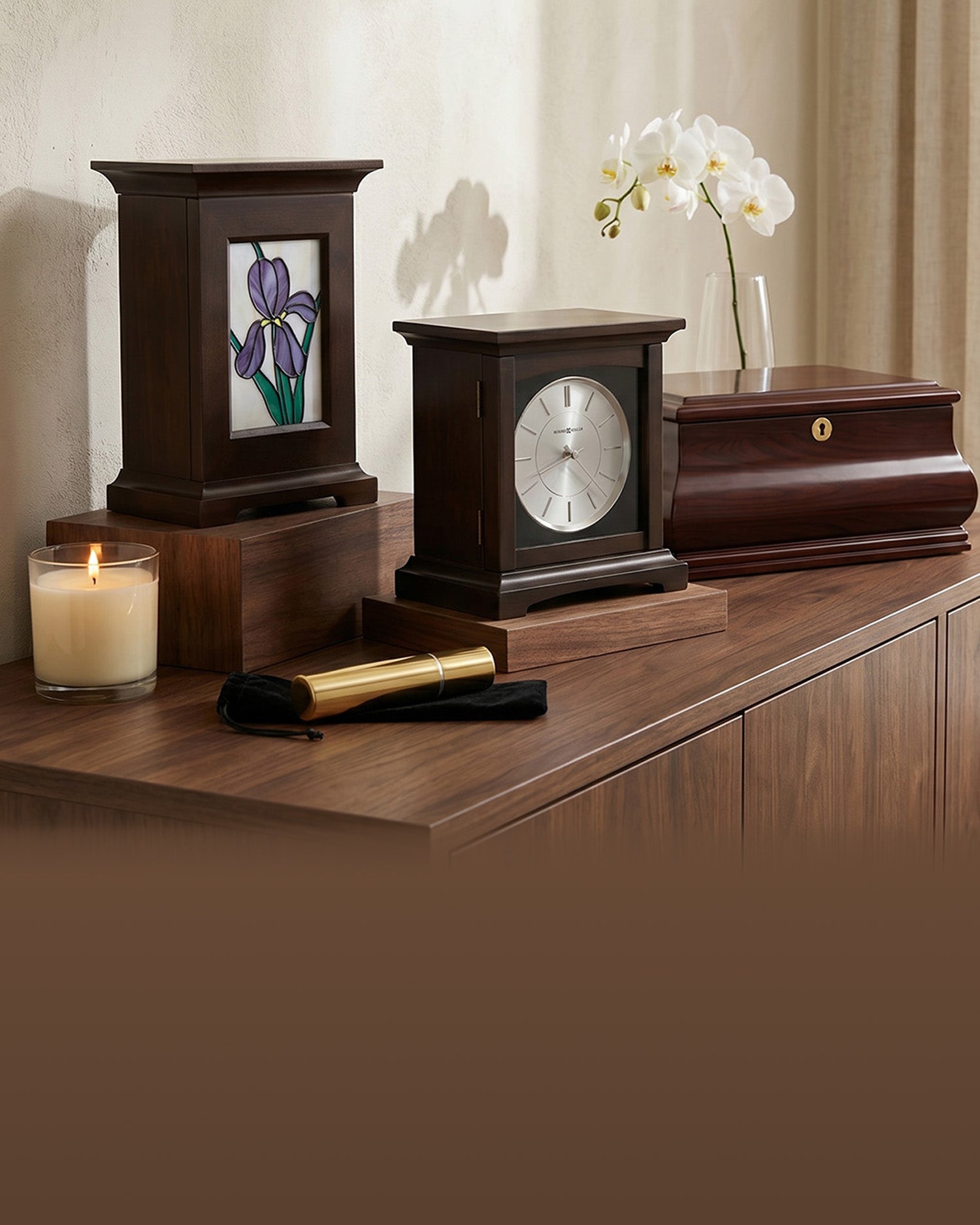
For families considering the keepsake option, Howard Miller Memorial offers keepsake urns and scattering tubes designed for exactly this purpose: small, thoughtfully made vessels that hold a meaningful portion of ashes for each sibling who wants to keep their loved one close.
4. How the division actually happens
4.1 Through your funeral home

The simplest way to divide ashes is to ask the funeral home to do it before you take possession of the remains. When you contact the funeral home, tell them how many portions you need and whether you want them roughly equal or arranged differently. For example, you might request one larger portion for the sibling keeping a full-size urn and smaller amounts for siblings who want a keepsake.
The funeral home will transfer the ashes into separate labeled, sealed containers, typically small bags or boxes. Each sibling can then place their portion into whatever urn or vessel they have chosen. Some funeral homes include this service at no additional cost; others charge a small transfer fee. It is worth asking about the fee before anyone collects the remains.
One point worth emphasizing: ask before you collect the remains, not after. Once ashes are in an urn and in your possession, most funeral homes will not take them back for re-processing. Planning ahead avoids a great deal of difficulty.
4.2 Dividing at home
It is also possible to divide ashes at home, though it requires care. Cremated remains are not uniform powder. They contain bone fragments of different sizes alongside finer material. To divide them respectfully, most families use a clean, dry surface such as a large sheet of parchment paper, a small measuring scoop or spoon, and disposable gloves. Having the containers open and ready before you begin makes the process easier to manage.
Before starting, check the capacity of each vessel. A standard full-size urn holds around 200 cubic inches. A small keepsake urn typically holds between 1 and 50 cubic inches. Knowing the volumes ahead of time ensures you do not run short. Our guide to what size urn you need explains how to calculate the right capacity based on your loved one's weight.
If the option exists, let the funeral home handle it. Dividing ashes at home is not difficult practically, but it can be emotionally demanding in the days immediately following a loss. There is no reason to take that on if the funeral home can manage it for you.
5. Deciding together without conflict
When a parent or loved one dies, siblings may be dealing with grief in very different ways and at very different speeds. A sibling who is grieving quietly might feel strongly that the ashes should stay in one place. A sibling who processes grief through physical connection might need something tangible to hold. Both responses are valid, and neither sibling is wrong.
A few things that help keep these conversations productive:
- Have the conversation early. Before anyone goes to the funeral home, get all the siblings together to talk through what everyone needs. Decisions made under time pressure tend to produce more conflict than decisions made thoughtfully.
- Check for written wishes first. If the deceased left any written instructions about their remains, those instructions should guide the decision. This removes the question from siblings' hands entirely and can prevent conflict before it begins.
- Separate logistics from emotion. There may be practical constraints. One sibling may live near the family cemetery; another may live abroad and be unable to transport an urn through customs. Addressing the logistics separately from the emotional needs often helps both conversations go better.
- Remember that options can be combined. One sibling can keep a full portion while another asks only for a small keepsake. The arrangement does not need to be equal in size to be fair.
If the family cannot reach agreement on its own, speaking with the funeral director or a grief counselor can help. Funeral directors navigate these conversations more often than most people realize, and they are good at it.

6. Religious and cultural considerations
Some religious and cultural traditions have specific teachings on how cremated remains should be handled. If your family observes a particular faith, it is worth understanding what that tradition teaches before making any decisions. A conversation with your religious leader or clergy is the most reliable way to get guidance that applies to your specific situation.
7. A simple plan for splitting ashes
If your family has decided to divide the cremated remains, the steps below will help the process go smoothly.
- Confirm who holds legal authority over the remains. This is typically the person named on the authorization for disposition form signed at the time of cremation, or the next of kin as defined under your state's law. That person must authorize any division or distribution.
- Talk to all siblings before anyone collects the remains. Decide how many portions you need, roughly how large each portion should be, and what each sibling plans to do with their share.
- Contact the funeral home before pickup. Ask whether they will divide the remains before release and whether there is a fee. Provide the number of portions needed and any sizing guidance.
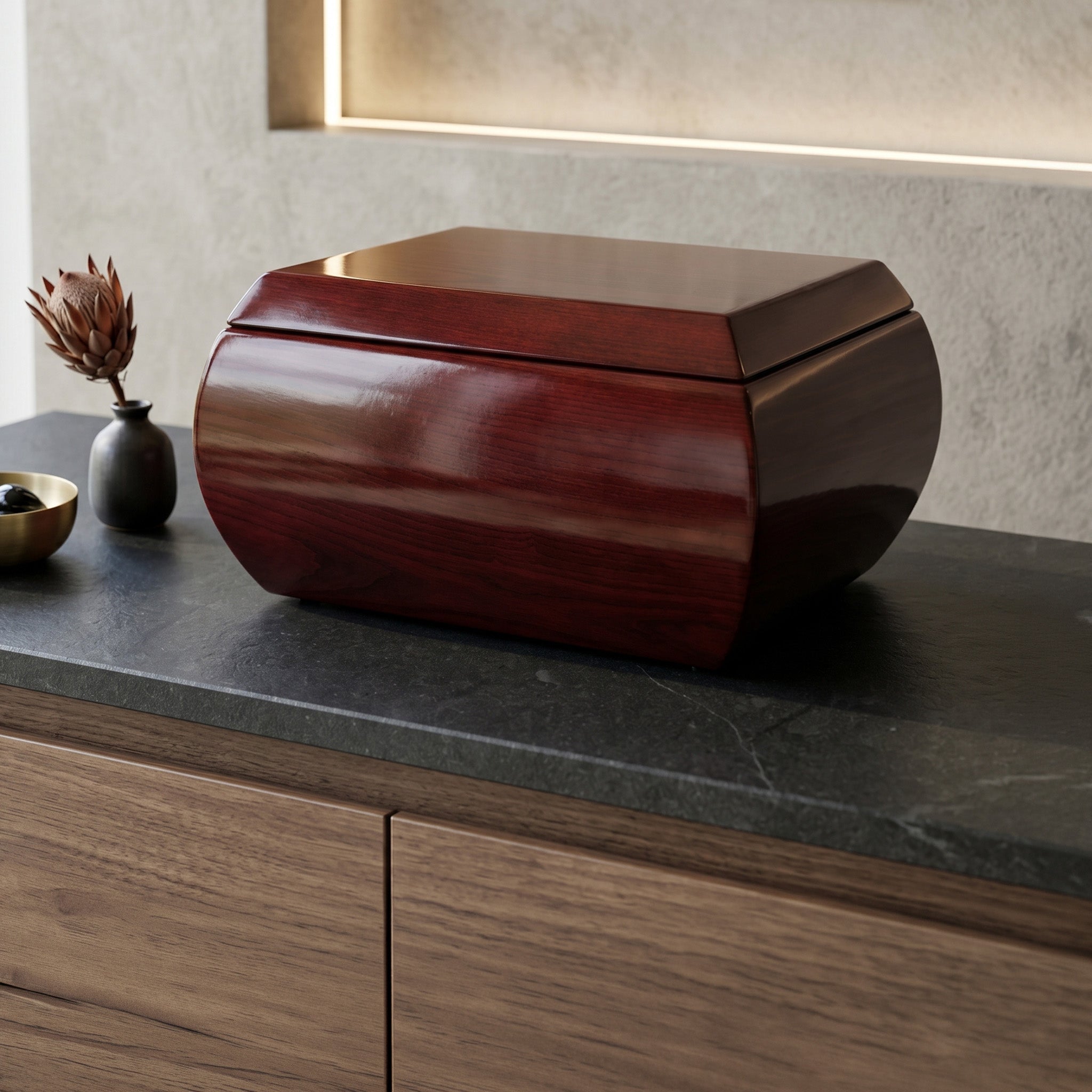
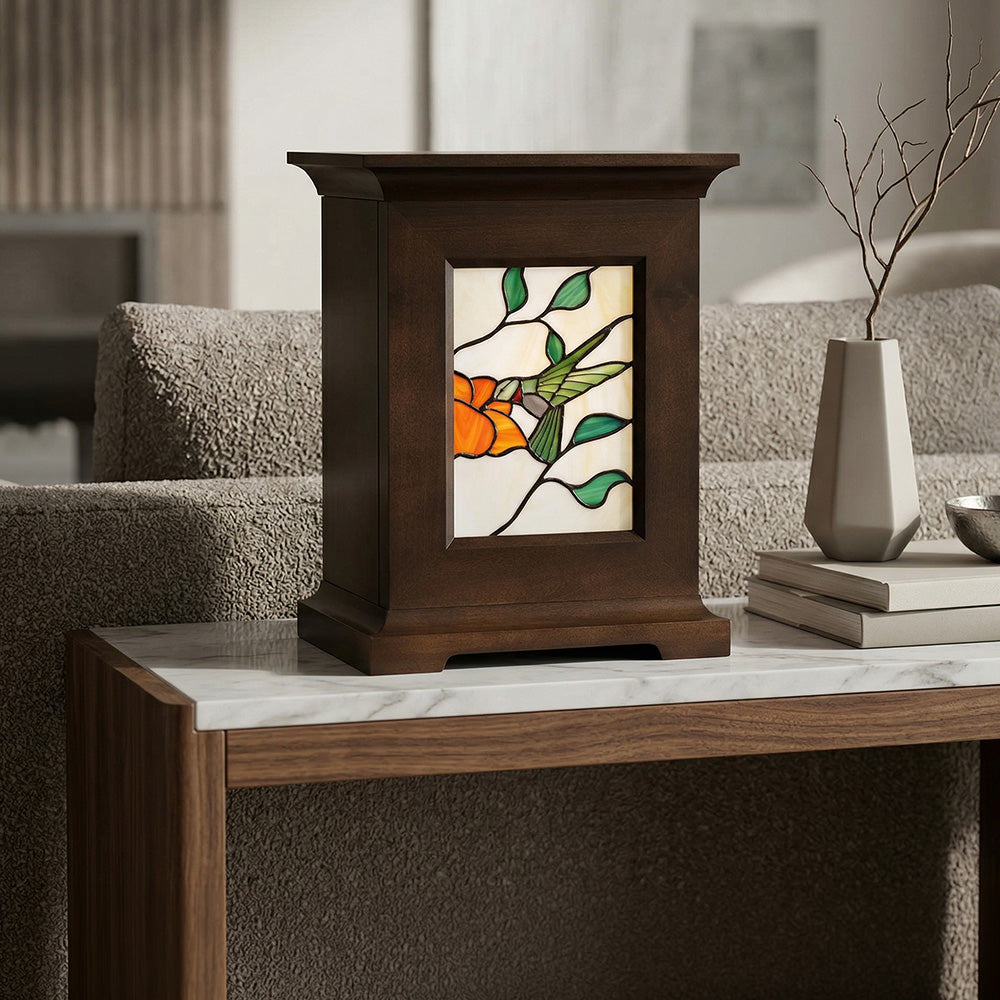
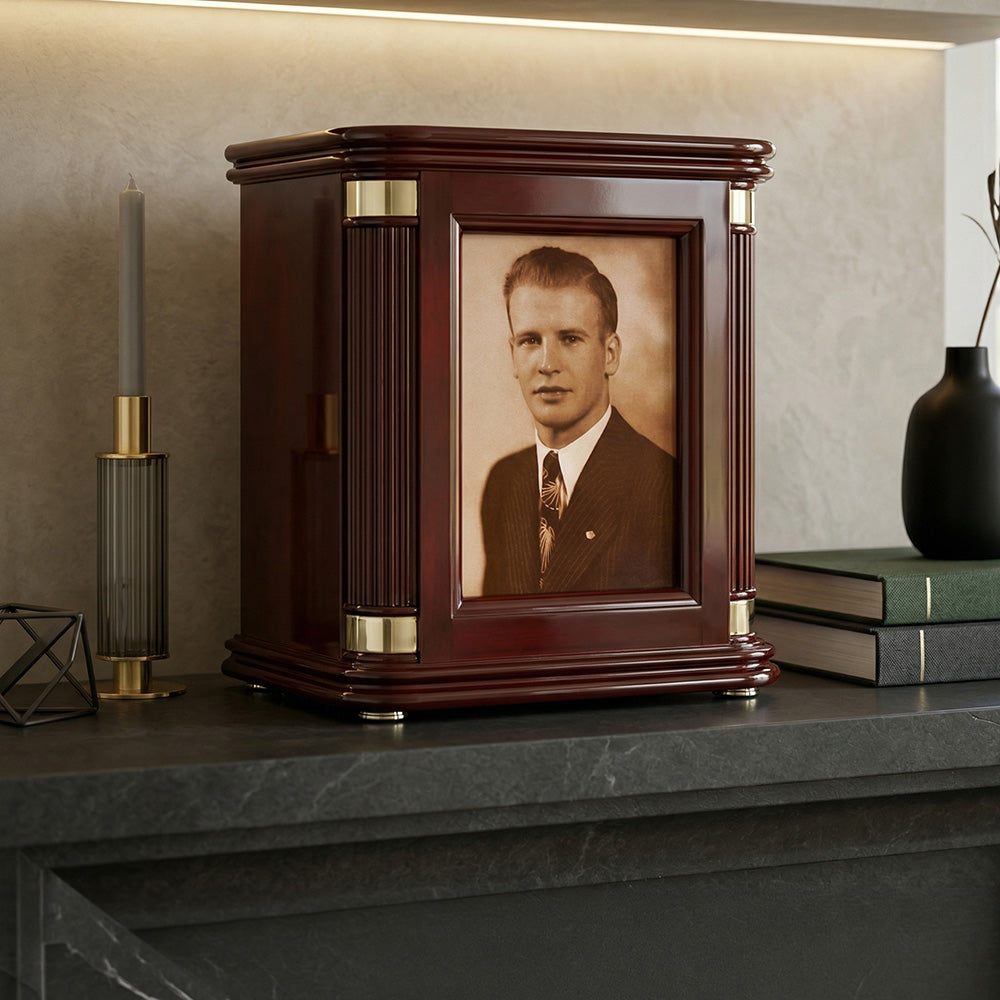
- Choose a vessel for each portion. Full-size urns for larger shares; keepsake urns for smaller amounts. Our guide to the 7 types of cremation urns can help each sibling find a style that fits their home and the person they are honoring. Urn chests are a practical choice for siblings who want to keep an urn at home with room for photographs and mementos alongside it.
- Collect the remains and transfer each portion. If the funeral home has pre-divided the remains, each sibling receives a labeled container and can transfer the ashes to their chosen urn at home at whatever pace feels right.
- Talk about long-term plans. Where will each portion ultimately rest? If one sibling plans to eventually inter their portion in a cemetery, or scatter ashes in a specific location, it helps for the family to know. These decisions can affect others, and it is easier to align expectations now than later.
8. A few final thoughts
Splitting ashes among siblings is not unusual, and it is not something to feel uncertain about requesting. Funeral homes handle these conversations regularly, and the process itself is manageable when everyone communicates clearly before the remains are released.
When the process does feel complicated, the source of that difficulty is rarely logistics. It is grief: each person processing the same loss in a different way, with different needs, on a different timeline. Give the conversation the care it deserves. Make the decision together rather than around each other.
If you are looking for urns that work for different portions, from full-size memorial pieces to small keepsake urns and scattering tubes designed to hold just a meaningful amount, Howard Miller Memorial makes each one with the same craftsmanship as our full-size collection. They are built for moments exactly like this one.
9. Frequently asked questions
Is it legal to split ashes between siblings?
In most U.S. states, yes. There is no federal law prohibiting the division of cremated remains, and the majority of states permit it without restriction. The person who holds legal authority over the remains (typically the next of kin or the person named on the disposition authorization form) generally has the right to decide how they are distributed. Laws vary by state, so if you have any doubt, ask the funeral home or an attorney familiar with your state's statutes on the right of disposition.
Do you need permission from all siblings to split ashes?
Not necessarily. It depends on who holds legal authority over the remains under your state's law. In some states, only the person with primary authority needs to authorize disposition. In others, all persons who share equal authority must agree before any division takes place. The funeral home will know your state's requirements and can tell you what authorization is needed before the remains are divided.
Will the funeral home split ashes for you?
Yes. Most funeral homes will divide cremated remains into multiple labeled, sealed containers upon request. The right time to ask is before you take possession of the remains, not after. Some funeral homes include this service at no additional cost; others charge a small transfer or processing fee. Ask when you are making arrangements so there are no surprises later.
How much of the ashes does each sibling typically receive?
There is no set rule. The division can be equal or unequal depending on what the family decides. A typical adult produces roughly 3 to 9 pounds of cremated remains, or approximately 100 to 300 cubic inches. If you are dividing equally among three siblings, each would receive roughly 33 to 100 cubic inches. A standard full-size urn holds around 200 cubic inches; a keepsake urn typically holds between 1 and 50 cubic inches. Our guide to urn sizing walks through the calculations in detail.
Can you divide ashes yourself at home?
Yes, though letting the funeral home do it before you collect the remains is the easier path. If you do divide ashes at home, use a clean dry surface, wear disposable gloves, and transfer portions carefully using a small scoop or spoon. Cremated remains include bone fragments of varying sizes alongside finer material, so the process requires a steady hand. Know the volume capacity of each vessel before you begin so you can portion accurately.
What type of urn should each sibling choose?
It depends on the size of each sibling's portion and what they plan to do with it. A sibling receiving a roughly equal share of the remains will generally want a standard full-size urn (around 200 cubic inches). A sibling who wants only a small, personal amount will find a keepsake urn (typically 1 to 50 cubic inches) more appropriate. Our guide to the 7 types of cremation urns can help each sibling think through the options by material, style, and purpose.
What if siblings disagree about splitting ashes?
Start with a calm, direct conversation, ideally before anyone collects the remains from the funeral home. If the deceased left written wishes about their ashes, those wishes should guide the decision and take it out of the siblings' hands entirely. If there are no written wishes and the siblings cannot reach agreement, the funeral director is a good first resource. They mediate these situations regularly. In cases of serious or ongoing conflict, an attorney familiar with your state's right-of-disposition laws can clarify each person's legal standing and what options are available.

Leave a comment
All comments are moderated before being published.
This site is protected by hCaptcha and the hCaptcha Privacy Policy and Terms of Service apply.