


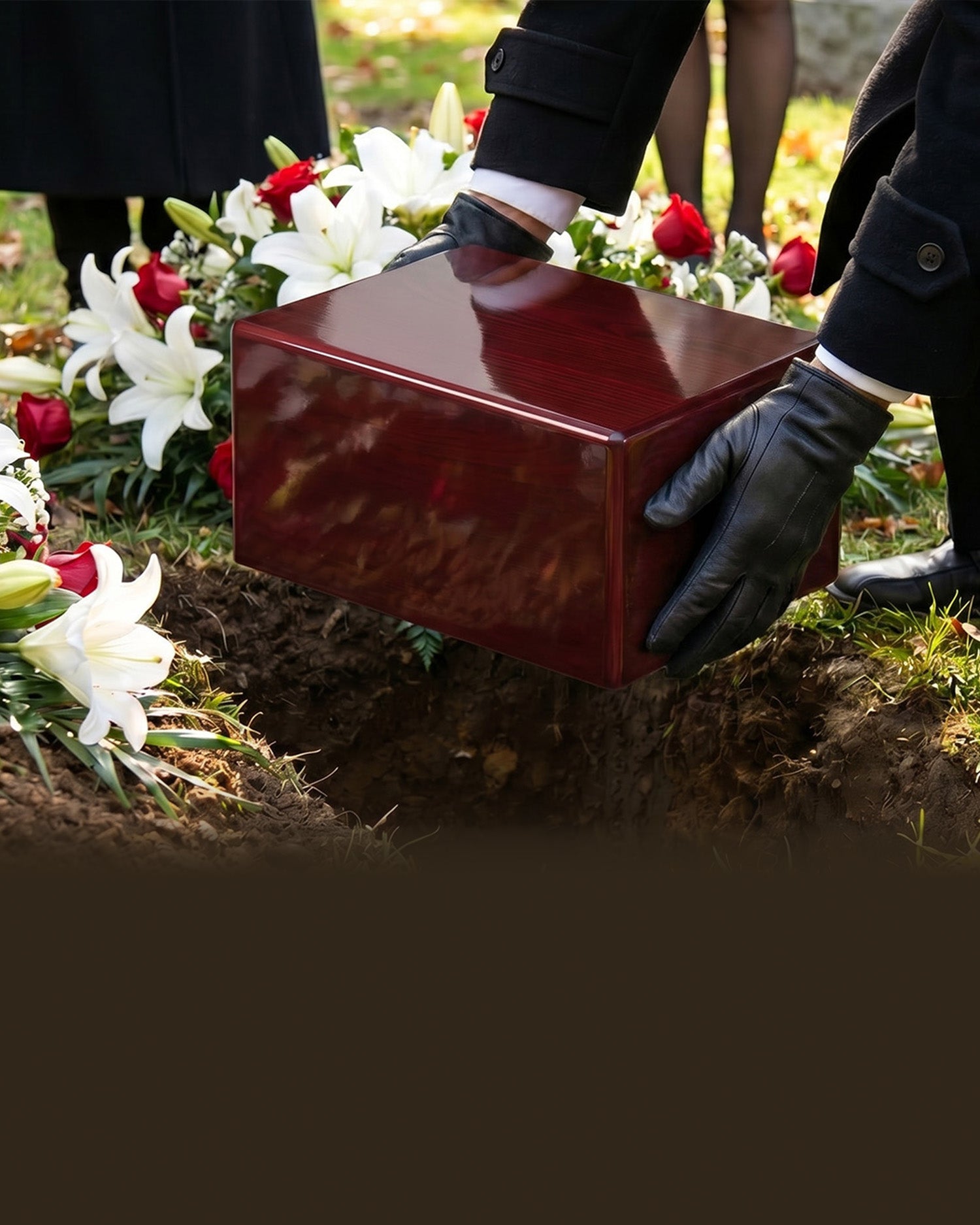

The urn is not a test of how much you loved someone. That sounds obvious, but when you are making arrangements quickly and wondering whether the price you land on reflects what the person was worth, it can stop feeling obvious. So let us name it up front: there is no dollar amount that measures grief, and no one who cares about you will judge the container you choose.
With that said, here is the practical reality. Urns range from almost nothing to several thousand dollars, and most families spend somewhere between $75 and $400 for a standard cremation urn. How much you should spend on an urn depends primarily on what you plan to do with it, not on what feels like the socially acceptable number. The sections below cover what urns actually cost, what drives the price, your right to shop outside the funeral home, and a simple way to arrive at a number that fits your family.
Jump to a section
- 1. How much should you spend on an urn?
- 2. What urns actually cost: typical price ranges
- 3. What you are paying for: what drives an urn's price
- 4. You do not have to buy from the funeral home
- 5. How to decide your budget
- 6. Other costs to keep in mind
- 7. A quick way to decide how much to spend
- 8. Final thoughts
- 9. Frequently asked questions
1. How much should you spend on an urn?
There is no single right number, and anyone who implies there is should be taken with skepticism. What families actually spend varies enormously, and for good reason: the urn's purpose, the family's wishes, and the budget all differ. A realistic overall range spans from under $50 for a basic container to $2,250 or more for a handcrafted specialty piece.
For most families, the decision lands somewhere in the middle. Standard urns in wood, metal, or ceramic typically run $75 to $350. Premium and handcrafted urns sit from about $350 up to $2,000 or beyond. Keepsake urns, which hold only a small portion of cremated remains, are much less expensive per piece, usually $25 to $200 each. For scattering, a dedicated tube or simple container is often all that is needed, and those run $50 to $150.
The right number for your family is the one that fits the urn's purpose and what feels meaningful, with no pressure from either direction.
2. What urns actually cost: typical price ranges
The table below covers approximate price ranges by urn type, based on current market research. Prices vary based on material, craftsmanship, size, and where you buy. Buying outside a funeral home almost always costs less for the same or similar quality.
If you are still deciding which type is right for your situation, our guide to 7 types of cremation urns walks through each category in plain language. For figuring out the right size, see our guide on what size urn you need.
| Urn type | Typical price range | Best for | Worth knowing |
|---|---|---|---|
| Temporary / basic container | $0 – $50 | Short-term storage while you decide; included with many direct cremations | Cremation providers are required by the FTC to make an alternative container available. Many include one at no extra cost. |
| Keepsake urn (each) | $25 – $200 | Dividing cremated remains among family members; keeping a small portion | Budget for multiple if several family members each want to keep a portion. |
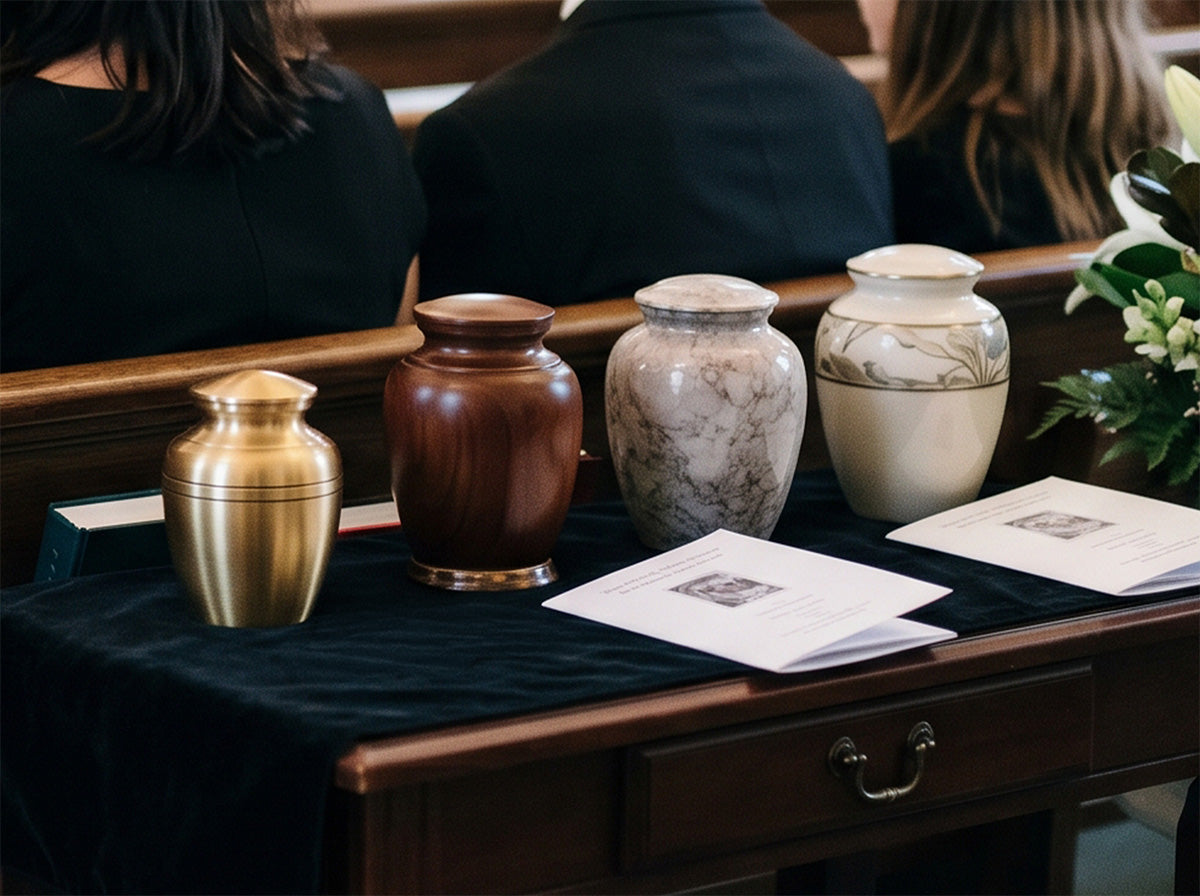
| Standard urn (wood, metal, ceramic) | $75 – $350 | Home display, burial, or a columbarium niche | The widest category; quality varies significantly by maker and country of origin. |
| Premium / handcrafted heirloom | $350 – $2,250+ | A lasting display piece for the home; an heirloom intended to stay in the family | Craftsmanship, material, and whether the piece is handmade or mass-produced are the key price drivers. |
| Specialty (bronze, marble, art glass) | $200 – $2,250+ | Home display; some styles suit columbarium niches | Stained glass and art glass urns can function as both a memorial and a piece of meaningful art in the home. |
| Companion urn (two people) | $200 – $1,250 | Couples who wish to remain together | Check cemetery or columbarium size requirements before purchasing, as companion urns are significantly larger than standard ones. |
| Biodegradable / scattering urn | $50 – $350 | Scattering ceremonies; eco-friendly burial in ground or water | Designed to be lightweight and temporary, not for long-term display. A wise, low-cost choice when scattering is the plan. |
All figures are approximate ranges based on current market research. Prices vary by material, craftsmanship, size, personalization, and where you buy. Purchasing outside a funeral home typically costs meaningfully less for comparable quality.
3. What you are paying for: what drives an urn's price
Material is the first driver. A machine-finished imported wooden box and a hand-turned urn made from a single block of solid walnut may look similar in a thumbnail, but they represent very different investments of skill, time, and raw material. Bronze, marble, and art glass all carry inherent material costs before any labor is factored in.
Craftsmanship matters just as much as material. Handmade pieces from skilled artisans cost more than mass-produced imports, and the difference is visible in joinery, finish quality, and how the piece holds up over decades.
Size adds cost. A companion urn uses more material and requires more work than a single adult urn. Keepsake urns cost less partly because of their smaller dimensions.
Customization carries a premium. Engraving a name, dates, or inscription requires specialized equipment and craftsmanship. Expect to pay $20 to $100 or more depending on complexity and method.
Where you buy affects the price significantly. Funeral homes mark up urns considerably over wholesale prices. The same urn available online for $150 can cost $400 or more through a funeral provider. This is a well-documented pattern, and one you have every right to work around.

4. You do not have to buy from the funeral home
Under the FTC Funeral Rule, you have the right to provide your own urn, whether you bought it online, at a local store, or anywhere else. The funeral provider cannot refuse to handle it, and cannot charge you a fee to do so. They also cannot require you to be present when the urn is delivered to them.
There are important limitations to know. The Funeral Rule applies to funeral homes and cremation providers, not to standalone cemeteries or third-party sellers. If a cemetery or columbarium requires a specific container type or vault for burial, that is a separate requirement and the Funeral Rule does not override it. A small number of states also have laws affecting container requirements. Additionally, the Rule has been subject to ongoing FTC review. For the most current consumer rights information, visit consumer.ftc.gov. This is consumer rights information, not legal advice.
In practical terms, shopping online or through a specialist urn retailer gives you a much wider selection, honest descriptions of materials and sizing, and prices that reflect the actual cost of the piece rather than funeral home overhead. It is one of the most practical ways to get a quality urn at a fair price.
5. How to decide your budget
The most useful question is not "how much should I spend?" It is "what is this urn for?" Purpose guides budget more reliably than any price list.
5.1 When it makes sense to spend more
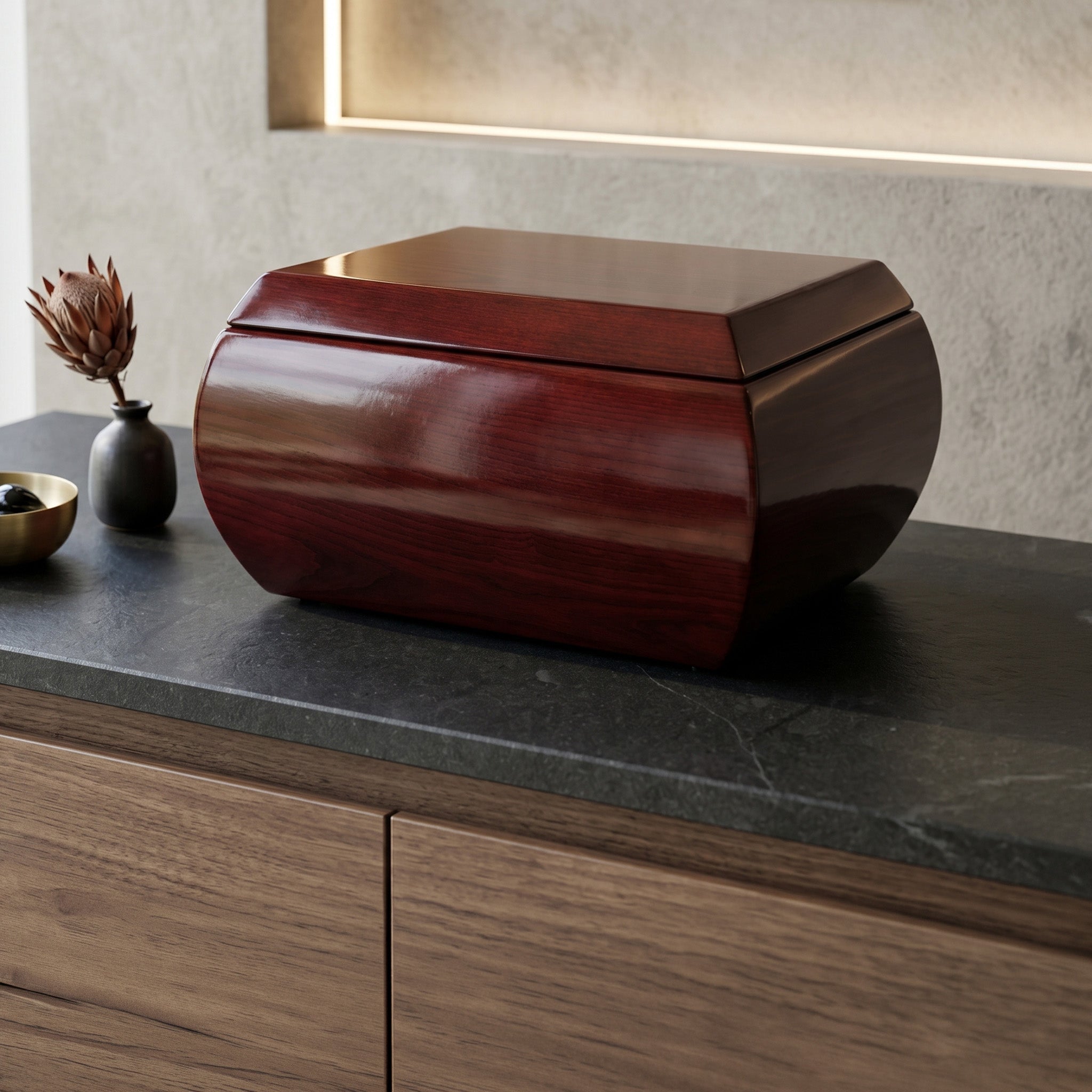
If the urn will live in your home for years or decades, visible on a shelf, mantelpiece, or side table every day, the quality and beauty of the piece earns its price. This is the situation where craftsmanship matters most. A well-made urn in solid hardwood, stained glass, or fine metal is something families tend to treasure rather than simply store. It honors the person, looks considered and dignified in the home, and holds up over time in a way that a mass-produced import may not.
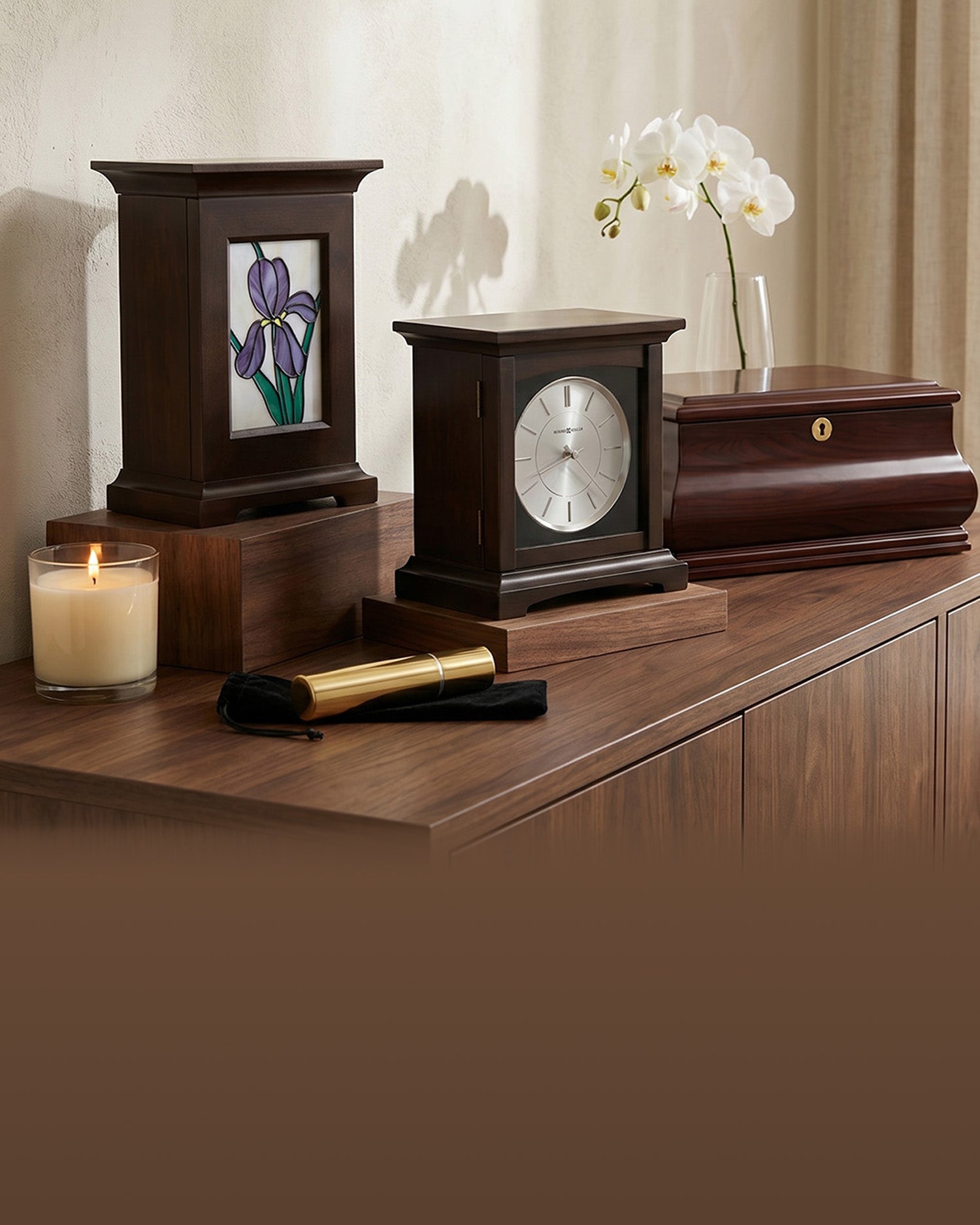
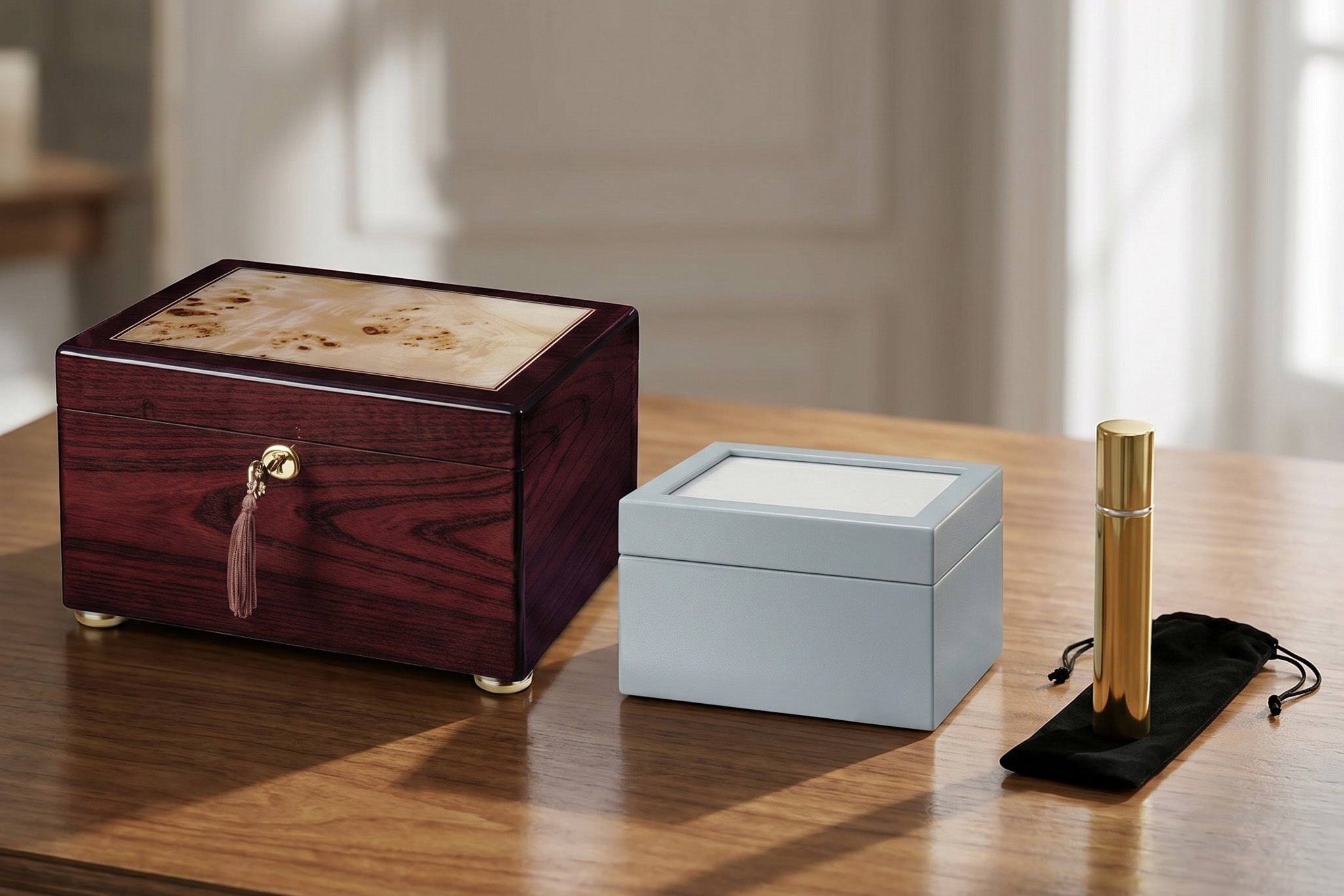
Howard Miller Memorial offers urn chests and clock urns built to this standard, drawing on nearly 100 years of American craftsmanship. If you want a display piece that functions as a lasting home memorial rather than simply a container, that is the part of the market they serve. It is one honest option among several, and spending more is only worth it if it reflects what feels right to you, not what feels expected.
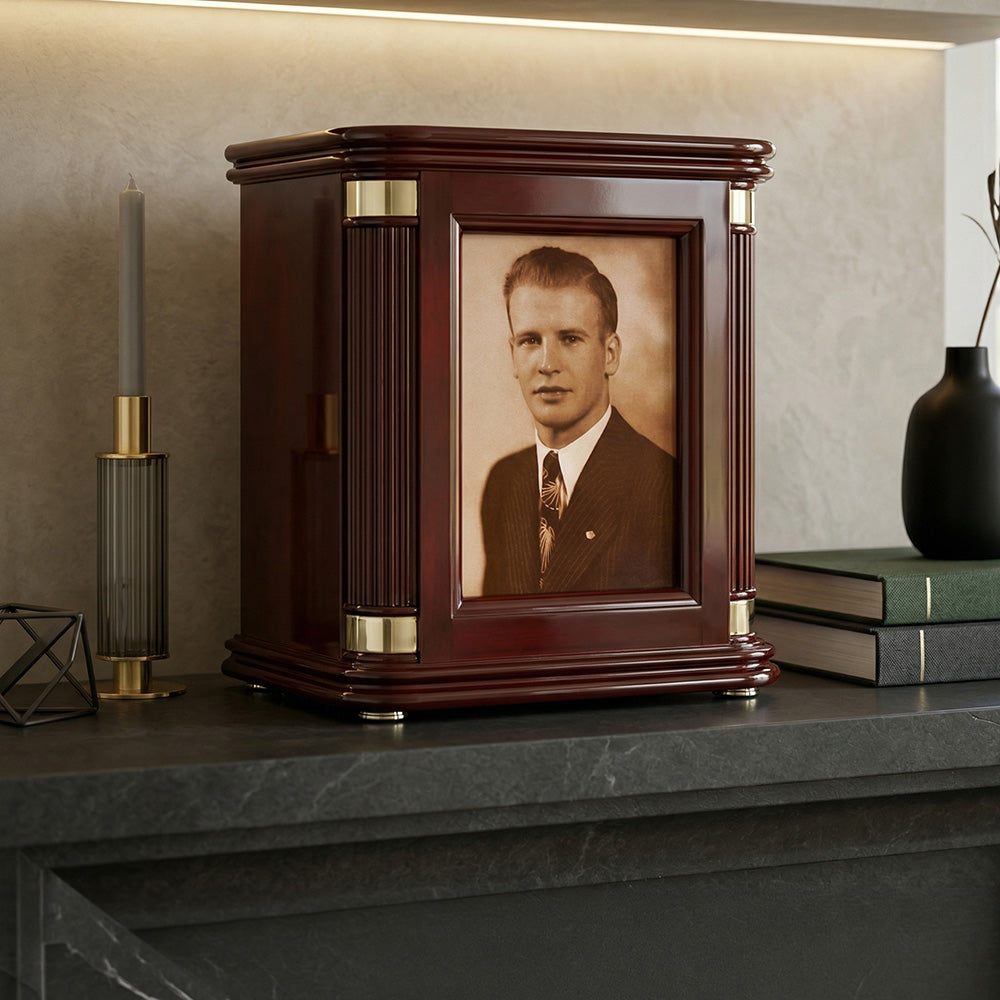
Investing more also makes sense for companion urns, portrait urns with a loved one's photograph integrated into the piece, or any urn you expect to pass down within the family.
5.2 When you do not need to spend much

For scattering, a dedicated scattering tube or simple lightweight container does the job at a modest price. Many are presentable enough to keep on display at home, and because the smaller sizes hold less than a full adult urn, they are also a practical way to keep or divide a portion among family members. Spending hundreds of dollars here is simply not necessary, and choosing not to is no reflection on love.
If the urn will be buried, the same logic applies. A container going into the ground will not be seen. A durable, appropriately sized urn that meets the cemetery's requirements is the sensible choice, and it need not be expensive.
A tight budget is also a completely valid reason to spend less. A modest urn from a reputable seller is a dignified choice. There is no shame in it, and the person being honored is not measured by the price of the container that holds them.
6. Other costs to keep in mind
A few additional costs catch families off guard, and they are worth accounting for before you set your urn budget.
Engraving. Many sellers offer personalization, but it is rarely free. A name, dates, and a short inscription typically add $20 to $100, depending on the method and complexity. Some retailers include basic engraving; others charge per character.
Burial vault or liner. If the urn will be buried in a cemetery, many cemeteries require a grave liner or vault to prevent the ground from settling. These typically cost $100 to $400 and are purchased through the cemetery directly.
Columbarium niche fees. Placing a memorial urn in a niche at a columbarium or mausoleum involves a separate fee. Niche costs vary widely, from a few hundred to several thousand dollars, depending on the facility, the niche location, and whether a companion space is required.
Shipping. Buying online is usually less expensive than buying from a funeral home, but if you need the urn quickly, expedited shipping adds cost. Plan ahead so you are not paying overnight rates under pressure of timing.
Multiple keepsake urns. When ashes are being divided among family members, each person may want their own small urn for ashes. Four keepsake urns at $80 to $100 each adds $320 to $400 to your total, which is worth budgeting for separately from the primary urn.
7. A quick way to decide how much to spend
Work through the following questions in order. The answers tend to point naturally to a number.
- What is this urn for? Long-term home display, burial, a columbarium niche, or a scattering ceremony? Display warrants more investment. Scattering and burial do not require it.
- Will it hold all of the cremated remains, or a portion? A full-size adult urn holds all remains. If you are dividing the ashes, you need a smaller keepsake urn per person, not a second full-size urn.
- Are multiple family members each keeping a portion? If so, the combined cost of several keepsake urns may matter more to budget for than the cost of one primary urn.
- Have you seen the funeral home's General Price List? You are legally entitled to a written itemized price list. Compare what the funeral home charges for urns against what a reputable online retailer offers before deciding where to buy.
- Are there cemetery or columbarium requirements to account for? Ask the cemetery whether they require a specific container type, size, or vault before you purchase. Some have restrictions that affect which urns will work.
- What does your budget allow without adding financial strain? A number you can afford comfortably is always the right starting point. If a quality piece is within reach and feels meaningful, it is a worthwhile investment. If it is not, a simpler choice is just as dignified.
8. Final thoughts
The right amount to spend on an urn is whatever fits your family's situation, what the urn is for, and what you can carry without adding stress to an already difficult time. There is no wrong number, as long as the decision is yours rather than one made under pressure or guilt.
For families who want a lasting, display-worthy memorial piece built with genuine craftsmanship, Howard Miller Memorial offers a range of urn chests, clock urns, stained glass urns, and keepsake options, with free shipping across the continental US. They are one honest option to consider alongside others.
Whatever you choose, a decision made with care and intention is the right one.
9. Frequently asked questions
How much should you spend on an urn?
There is no single right amount. Most families spend between $75 and $400 on a standard adult urn. Premium and handcrafted pieces run from about $350 to over $2,000. Keepsake urns for holding a small portion of cremated remains typically cost $25 to $200 each. The most important factor is purpose: an urn intended for long-term home display warrants more investment than one used for a scattering ceremony or burial.
How much does an urn cost on average?
Most people pay $70 to $2,250 for a full-size permanent urn, with the majority of purchases landing between $75 and $400. Funeral home urns tend to cost more than those bought online from a specialist retailer, often significantly so. Biodegradable and scattering options typically run $50 to $350. Keepsake urns are smaller and less expensive, generally $25 to $200 per piece.
Why are funeral home urns more expensive?
Funeral homes mark up urns above wholesale cost to cover overhead, staffing, and location expenses. The same urn available online for $150 can cost $300 to $400 or more through a funeral provider. This is a well-established pattern. Under the FTC Funeral Rule, you are not required to buy from the funeral home, and they cannot charge a handling fee if you bring your own.
Can I buy an urn somewhere other than the funeral home?
Yes. Under the FTC Funeral Rule, the funeral provider cannot refuse to handle an urn you bought elsewhere, and cannot charge you a fee to do so. They also cannot require you to be present when the urn is delivered. This right applies to funeral homes and cremation providers. It does not apply to standalone cemeteries, which may have their own container requirements. Visit consumer.ftc.gov for the most current details.
How much should I spend if I am scattering the ashes?
Not much. A scattering tube or lightweight biodegradable container typically costs $50 to $150, so spending more is not necessary. Many are also presentable enough to keep on display at home, and the smaller sizes hold less than a full adult urn, which makes them a practical, low-cost way to keep or divide a portion among family members.
Are expensive urns worth it?
It depends on what the urn is for. If it will be displayed in your home for decades, a well-made piece in solid hardwood, stained glass, or quality metal earns its price through craftsmanship, durability, and the comfort of having something beautiful that honors the person. If the urn will be buried or used for a scattering ceremony, a modest container is a sensible and dignified choice. Spending more is worth it when the investment will be seen and felt over time.
How much do keepsake urns cost?
Keepsake urns typically cost $25 to $200 each, depending on material, design, and craftsmanship. They hold a small portion of cremated remains, which makes them significantly less expensive than full-size urns. They are a practical option when several family members each want to keep a portion of the ashes, or when you want to scatter most of the remains but keep a small amount at home.
What other costs come with an urn?
Several costs can add to the total beyond the urn itself. Engraving a name and dates typically adds $20 to $100. If the urn will be buried, many cemeteries require a grave liner or vault, which runs $100 to $400. Placing an urn in a columbarium niche involves a separate niche fee, which varies by facility. Expedited shipping can add cost if you need the urn quickly. If you are buying multiple keepsake urns for family members, budget for those separately.

Leave a comment
All comments are moderated before being published.
This site is protected by hCaptcha and the hCaptcha Privacy Policy and Terms of Service apply.